


The density of titanium alloy is low, so the inertia of the titanium liquid during flow is small. The poor fluidity of molten titanium leads to a low casting flow rate. There is a significant difference (300℃) between the casting temperature and the mold temperature and cooling is rapid. The inevitable presence of defects such as pores on the surface and inside of the titanium castings will appear. This has a significant impact on the quality of the titanium castings. For this issue, we can use the following four surface treatment methods:Sandblasting, casting, grinding, coloring
Removal of the surface reaction layer
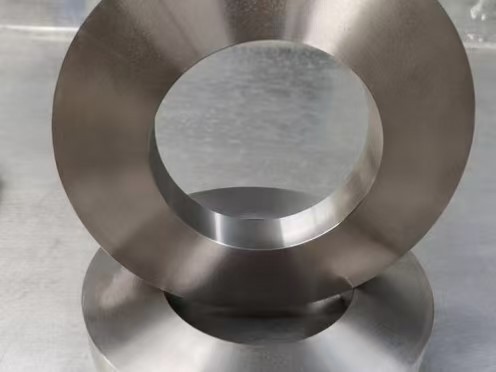
The surface reaction layer is the main factor affecting the physical and chemical properties of titanium castings. Before the titanium castings are ground and polished, it is necessary to completely remove the surface contamination layer to achieve a satisfactory polishing effect. The surface reaction layer of titanium can be completely removed by the method of sandblasting followed by acid washing.
Sandblasting: For the sandblasting treatment of titanium castings, coarse white corundum is generally the preferred choice. The pressure of the sandblasting usually below 0.45 Mpa. When the sandblasting pressure is too high, the sand particles impact the titanium surface, generating intense sparks. The increased temperature will result in secondary pollution and affecting the surface quality. The sandblasting time should be controlled within 15 to 30 seconds. It is only necessary to remove the adhered sand, the surface sintering layer, and some oxide layers on the casting surface. The remaining surface reaction layer structure can be quickly removed by using the chemical acid washing method.
Pickling: Pickling can quickly and completely remove the surface reaction layer, and no other elements will be contaminated on the surface. Both the HF-HCl series and the HF-HNO3 series of pickling solutions can be used for the pickling of titanium, but the HF-HCl series pickling solution has a higher hydrogen absorption capacity, while the HF-HNO3 series pickling solution has a lower hydrogen absorption capacity. The hydrogen absorption can be reduced by controlling the concentration of HNO3, and the surface can be treated for a bright finish. Generally, the concentration of HF is around 3% to 5%, and the concentration of HNO3 is around 15% to 30%.
Treatment of casting defects
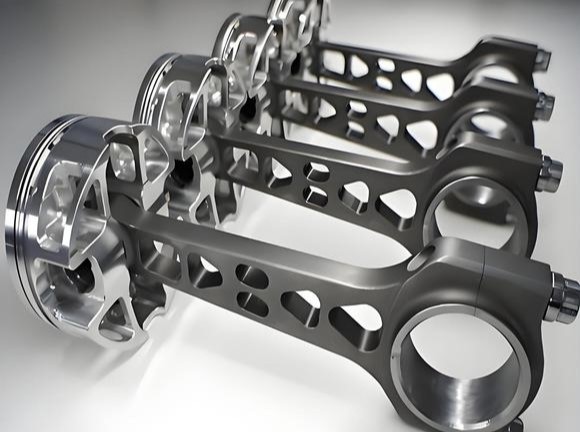
Internal pores and shrinkage cavities are internal defects that can be removed by the hot isostatic pressing technique, but they may affect the accuracy. It is better to conduct X-ray inspection, then grind off the surface to expose the pores, and use laser welding for repair. Surface pore defects can be directly repaired by local laser welding.
Grinding and Polishing
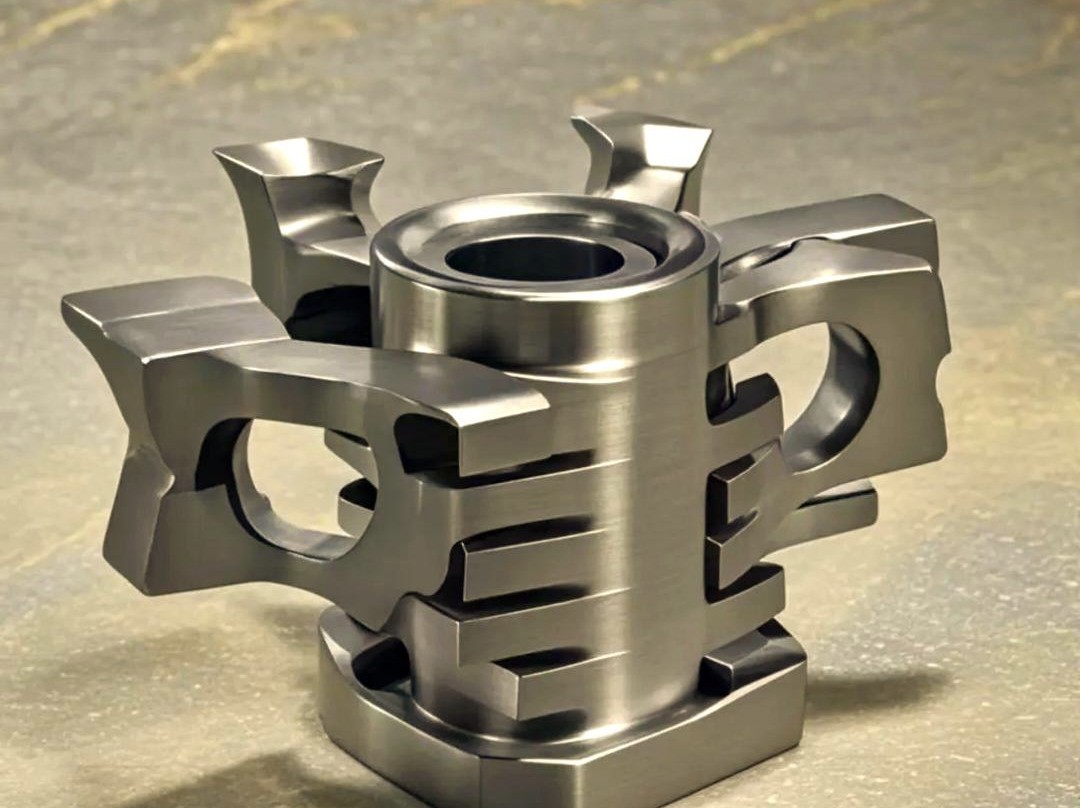
Mechanical grinding: chemical reactivity of Titanium is high , thermal conductivity is low, and the viscosity is high. The mechanical grinding and grinding ratio is low, and it is prone to react with abrasive tools. Common abrasive materials are not good for grinding and polishing titanium. It is best to use super-hard abrasives with good thermal conductivity, such as diamond and cubic boron nitride. The polishing line speed is better from 900 to 1800 m/min. Otherwise, the titanium surface is prone to grinding burns and micro cracks.
Chemical Polishing: Chemical polishing achieves the purpose of leveling and polishing by the oxidation-reduction reaction of the metal in a chemical medium. Its advantage is that chemical polishing is independent of the hardness of the metal, the polishing area and the structural shape. Any part in contact with the polishing solution is polished. No special and complex equipment is required. The operation is simple and it is more suitable for polishing complex-structured titanium denture frameworks. However, the process parameters of chemical polishing are difficult to control. It is required to achieve a good polishing effect on the denture without affecting the accuracy of the denture.
Coloring
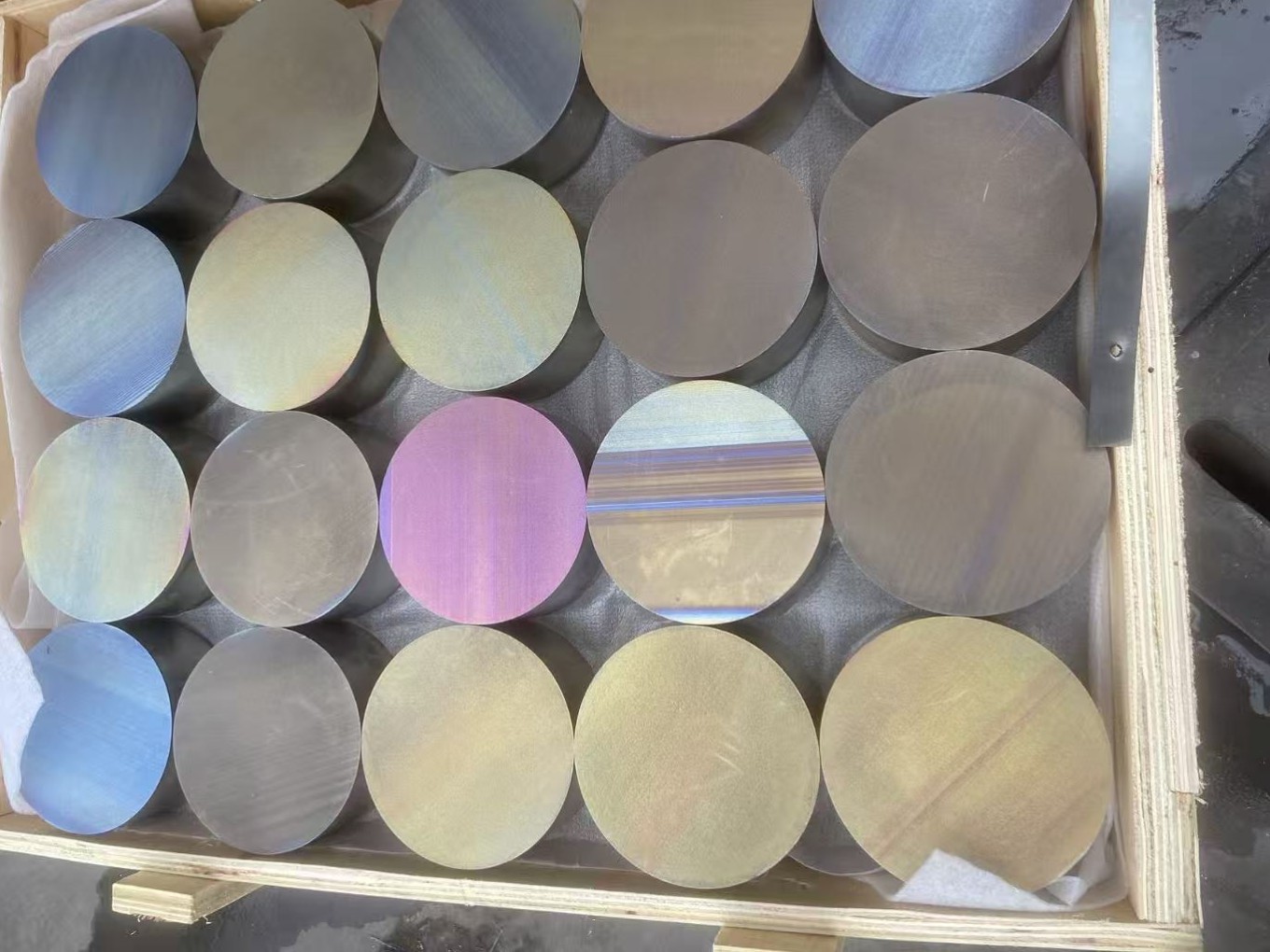
To enhance the aesthetic appeal of titanium forgings and prevent further oxidation and discoloration of the forgings under natural conditions, surface nitriding treatment, atmospheric oxidation, and anodizing surface coloring methods can be employed. This process results in a light yellow or golden color on the surface, thereby improving the appearance of the parts. The anodizing method utilizes the interference effect of the oxide film on titanium to naturally develop colors. By changing the bath voltage, various colors can be formed on the titanium surface.
Baoji Yibaite New Materials Technology Co., Ltd - specializes in processing titanium forgings. Welcome to inquire.