A stove that weighs hundreds of grams instead of kilograms, never rusts, survives open flame indefinitely, and costs nothing to fuel - because the fuel is whatever sticks you find on the ground.
The Problem with Traditional Camp Stoves
Every backpacker eventually confronts the same frustration. The first camp stove is usually stainless steel or cast iron - affordable, familiar, seemingly practical. Then reality sets in:
- Stainless steel and cast iron stoves weigh 2–5 kg - a punishing burden on long-distance hikes
- They rust - after a few trips in wet conditions, corrosion appears at seams and joints
- They warp and burn through - sustained high heat degrades thin steel over time
- Gas and alcohol stoves require purchased fuel - expensive, bulky to carry, and prohibited in many backcountry areas
For multi-day treks, ultralight hiking, and bushcraft camping, traditional stoves create more problems than they solve.
A pure titanium wood-burning stove eliminates every one of these problems - at a fraction of the weight.
| Feature | Stainless Steel / Cast Iron | Pure Titanium |
|---|---|---|
| Weight | 2–5 kg | Under 500g - 70%+ lighter |
| Corrosion | Rusts in wet conditions | Immune - no maintenance after rain |
| Heat resistance | Warps, burns through over time | Withstands sustained open flame without deformation or oxidation |
| Service life | Months to a few years | Years - potentially a decade or more |
| Packability | Bulky, heavy | Folds flat, fits inside a backpack with minimal space |


Why Titanium Works So Well for Fire
Titanium's material properties are almost purpose-built for camp stove applications:
Ultra-lightweight
Titanium's density is approximately 4.5 g/cm³ - roughly 57% that of stainless steel. For a stove that must be carried for hours or days on someone's back, this weight difference is not marginal - it is transformative.
Heat resistance
Titanium maintains structural integrity at sustained high temperatures. Unlike thin steel, which warps, oxidizes, and eventually burns through after repeated use, a titanium stove body survives continuous open-flame cooking without degradation.
Corrosion immunity
A titanium stove left wet in a pack, rained on during a trek, or stored in a humid environment will not rust. There is no coating to protect, no treatment to maintain. The naturally forming oxide film handles it permanently.
No fuel dependency
This is not a titanium property - it is a design advantage that titanium enables. Because the stove body is so light, carrying it imposes negligible weight penalty. And because it burns gathered wood, there is no need to carry fuel canisters - eliminating both weight and cost.
The Practical Advantages in the Field
| Scenario | Titanium Stove Advantage |
|---|---|
| Solo backpacking | Total stove weight under 500g - lighter than a water bottle |
| Long-distance trekking (weeks) | No fuel resupply needed - gather wood daily |
| Wet weather camping | No rust concern - use immediately after rain without drying |
| Bushcraft / wilderness skills | Burns natural materials - true self-sufficiency |
| Areas with gas stove bans | Wood-burning stove is typically permitted where canister stoves are not |
| Emergency / survival situations | No fuel dependency - fire from available materials |
The Long-Term Economics
A quality stainless steel camping stove needs replacement every few years as corrosion, warping, and heat damage accumulate. A titanium stove, properly used, lasts for years - often a decade or more - with zero maintenance cost and zero fuel cost.
Over a multi-year camping career, the titanium stove pays for itself many times over in saved fuel canisters, avoided replacements, and reduced pack weight that prevents the gear upgrade cycle that heavier stoves often trigger.
Every titanium camping stove - whether a simple firebox, a multi-fuel unit, or an ultralight twig stove - begins as carefully processed titanium raw material. Sheet for formed stove bodies. Plate for structural panels. Wire for grates and supports.
The properties that make the stove perform in the field - heat resistance, corrosion immunity, lightness, and strength - all depend on the quality of the starting material. Consistent chemistry, uniform thickness, and freedom from defects ensure that the stove body forms cleanly, welds reliably, and performs predictably through years of open-flame use.
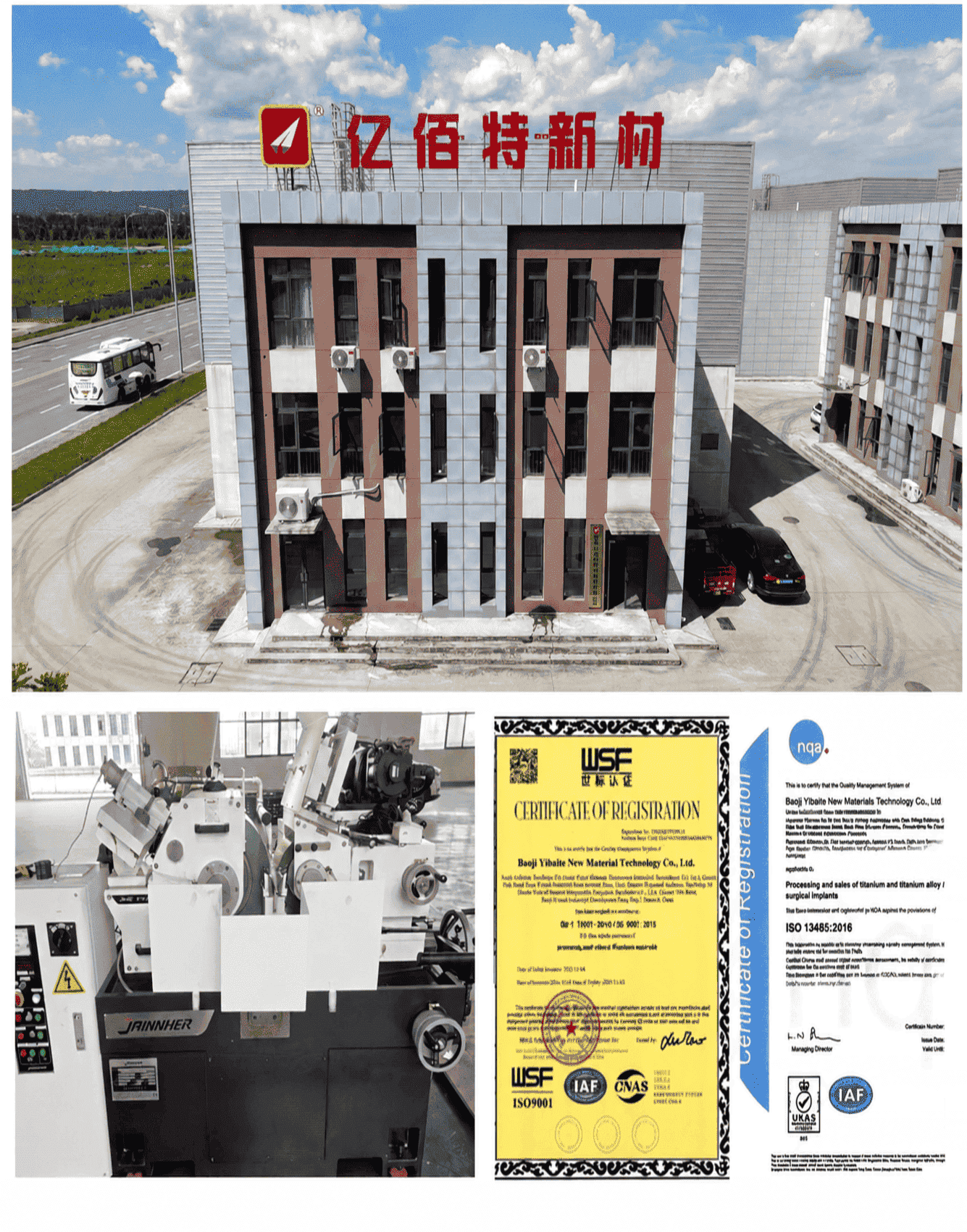
Baoji Yibaite New Materials Technology Co., Ltd. is a high-tech titanium processing company in Baoji, Shaanxi Province - China's Titanium Valley. We supply titanium materials used in outdoor equipment, camping gear, consumer products, and industrial applications:
| Product | Outdoor Equipment Application |
|---|---|
| Titanium plates and sheets | Stove bodies, pot supports, wind shields, formed cookware |
| Titanium bars and rods | Machined handles, hinges, structural hardware |
| Titanium wires | Grate meshes, support frames, clips, assembly components |
| Titanium strips | Precision-formed stove panels, reinforcement bands, pot rims |
All products ship with full mill test certificates - because the material behind outdoor gear must perform when there is no backup.
Whether you are an outdoor equipment manufacturer developing titanium product lines, a camping gear brand evaluating titanium for stoves and cookware, or a distributor serving the growing ultralight outdoor market - we are ready to discuss your titanium material requirements.