


In modern clinical medicine, titanium alloy is an indispensable "universal implant metal". It can serve as a supporting framework for fracture fixation, a dental implant to replace tooth roots, a fine scaffold to clear blood vessels, and a material for repairing skull defects. It can also be used to stabilize and remain in the human body for several decades, harmoniously coexisting with the flesh and bones. This special metal derived from the aviation field, thanks to its unique biological properties, has become the gold standard for modern medical implant materials, completing a cross-border transformation from aircraft fuselage to human implant.

The cross-border transformation from aerospace and military industries to the medical field
The original purpose of developing titanium alloys was to serve the aerospace sector. In the 1940s, scientists successfully developed titanium alloy materials to meet the requirements of lightweight and high strength for fighter aircraft. During subsequent experiments, researchers unexpectedly discovered that it had special biological properties: when in contact with animal bones, it would not cause severe rejection reactions and could closely adhere to bone tissue. This breakthrough laid the foundation for its entry into the medical field.
In the 1950s, titanium alloys were officially applied in clinical medicine. The first generation of medical titanium alloy Ti-6Al-4V quickly gained popularity due to its balanced performance. However, as clinical data accumulated, researchers discovered that the vanadium element contained in it had long-term health risks. To enhance safety, materials scientists optimized the alloy ratio and replaced vanadium with more biocompatible niobium to develop new generations of medical titanium alloys such as Ti-6Al-7Nb.
Today, medical titanium alloys have formed three main categories, covering all medical implant scenarios: α-type titanium alloys have stable structures and can withstand high temperatures, suitable for long-term high-safety implant scenarios; β-type titanium alloys have the best elasticity and mechanical properties close to human bones, minimizing implant damage to the greatest extent; α+β-type titanium alloys balance high strength and high toughness, and have strong anti-fatigue properties, making them the most widely used type in clinical applications. Compared to plastics that are prone to aging and traditional metals that are prone to rejection, titanium alloys have a density of only half that of steel and strength comparable to steel, perfectly balancing mechanical performance and biocompatibility.
Three core characteristics: The key to titanium alloy's compatibility with the human body
When metals are implanted into the human body, they are prone to triggering the immune system's rejection. However, titanium alloy can coexist peacefully with the human body. The core relies on three inherent advantages to completely eliminate the "defensive alert" of the human body.
Firstly, it has excellent biocompatibility. When titanium alloy comes into contact with air, a dense protective layer of titanium dioxide is quickly formed on its surface, which can firmly encapsulate the internal metal and remain stable and non-dissolving in the human environment. This effectively prevents the leakage of metal ions from the source and resists the corrosion of body fluids. It is not recognized by the immune system as an alien foreign body. What's more unique is that this film layer can adsorb calcium and phosphate in body fluids, induce the deposition of hydroxyapatite, a core component of bones, and allow bone cells to grow directly on the metal surface, achieving the biological fusion of metal and bone. Traditional implant materials such as stainless steel and cobalt-chromium alloys, on the other hand, continuously release harmful ions such as nickel and chromium, which can easily cause allergies and inflammation, and will be encapsulated by fibrous tissues, unable to achieve true bone integration, and have extremely poor long-term stability.
Secondly, it has adapted mechanical properties to the human body. An ideal bone implant material is not necessarily the harder the better. The lightweight characteristics of titanium alloy significantly reduce the foreign body sensation of patients. The new β-type titanium alloy has an elastic modulus close to that of human bones, effectively avoiding the "stress shielding" effect and preventing the loss of surrounding bone due to overly hard implantation. At the same time, its fatigue resistance is outstanding, capable of withstanding millions of bending activities of the human body, meeting the usage requirements for decades of long-term implantation.
Finally, it has extremely strong corrosion resistance. Human body fluids are at a constant temperature, rich in chloride ions, and constantly in contact, which makes them highly corrosive to ordinary metals. However, titanium alloy has a negligible annual corrosion rate in simulated human environments. After decades of implantation, it can still maintain structural integrity and stability, making it the optimal choice for long-term implantation.
Decoding Bone Immunology: The "Coexistence" Mechanism of the Immune System
The compatibility between titanium alloys and the human body does not mean that the titanium is completely assimilated by the body. Instead, it is a balanced state formed through precise regulation by the immune system, which is the core research content of bone immunology. In 1981, Swedish scholars first observed the phenomenon of titanium implants directly and closely adhering to bone tissue without any fibrous separation, and defined this as "bone integration", which became the core indicator of successful implant surgery.
During this process, macrophages and regulatory T cells play a crucial role. In the early stage of implantation, human monocytes differentiate into macrophages and initiate a mild inflammatory response. Among them, M1-type macrophages mainly promote inflammation and sterilization, and excessive activation can lead to redness and swelling at the implant site and surgical failure; while regulatory T cells can secrete anti-inflammatory factors, guiding macrophages to transform into repair-type M2-type, changing the local environment from "confrontation" to "repair", inducing bone tissue growth, and achieving stable retention of the implant.
The new generation of titanium alloy implants will be equipped with bioactive coatings, which can actively regulate the immune microenvironment, inhibit pro-inflammatory signals, accelerate the transformation of M2-type macrophages, and significantly improve the efficiency and stability of bone integration. In contrast, traditional metals continuously release harmful ions, which constantly activate pro-inflammatory reactions, ultimately leading to loosening of the implant and recurrence of inflammation.
All-scenario medical breakthrough: Covering all major clinical fields
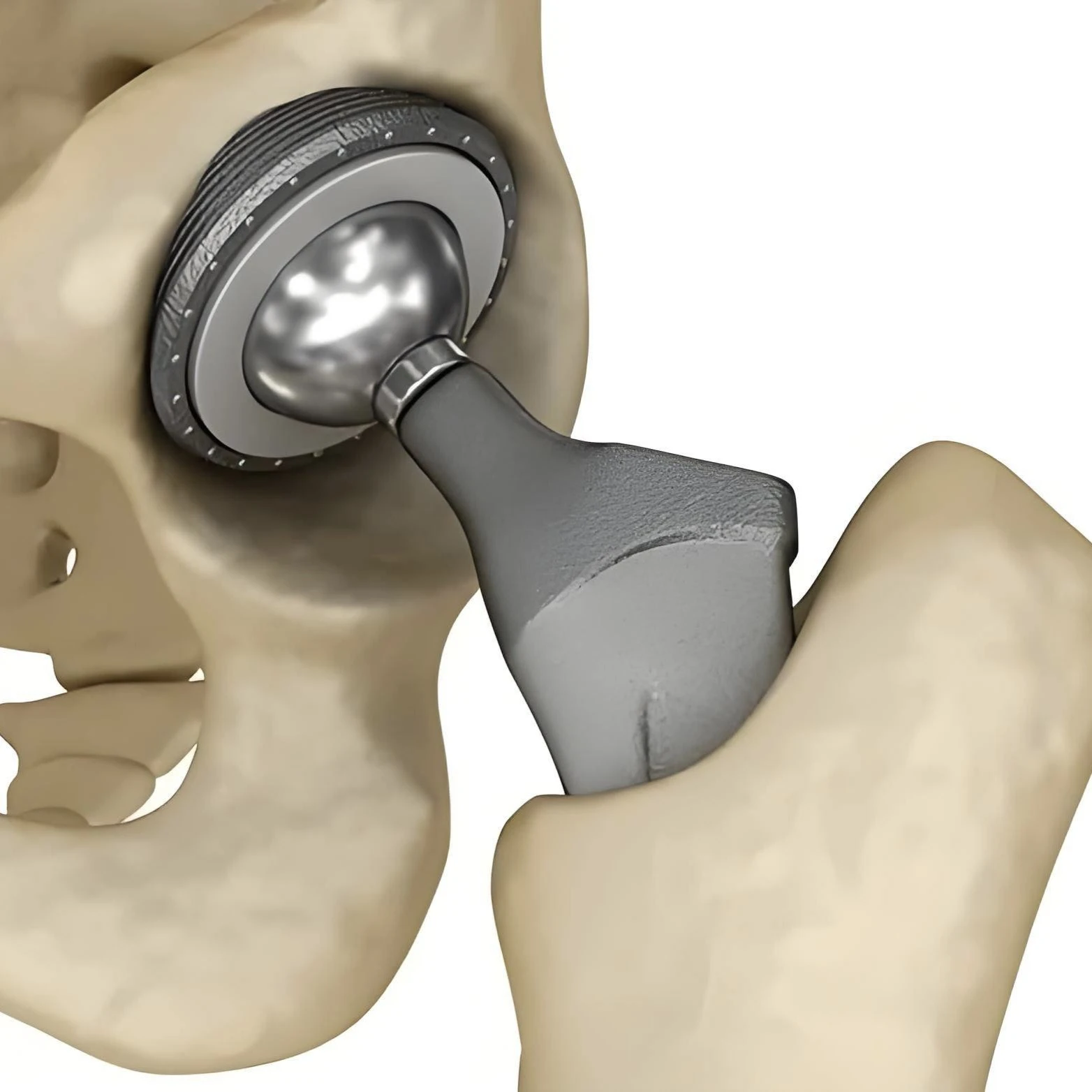
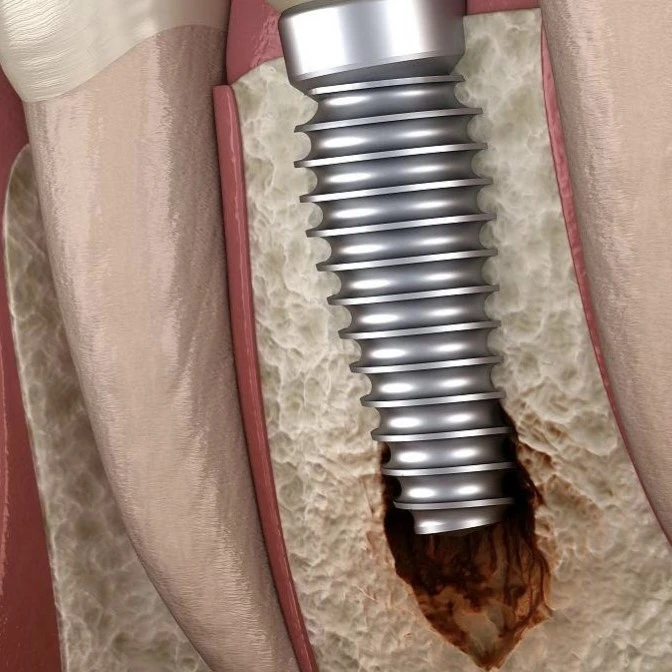
With its comprehensive advantages, titanium alloy has fully penetrated the core areas of modern medicine. In the field of orthopedics, titanium alloy artificial joints, bone plates, screws and other devices are mechanically adapted to the bones and are unlikely to cause osteoporosis, helping hundreds of millions of patients with joint and fracture problems recover their health. In the dental field, pure titanium and titanium alloy implants, with stable bone integration capabilities, can have a service life of over 30 years. Lightweight denture supports and low discomfort nickel-titanium orthodontic arch wires have also become the mainstream choice in oral diagnosis and treatment.
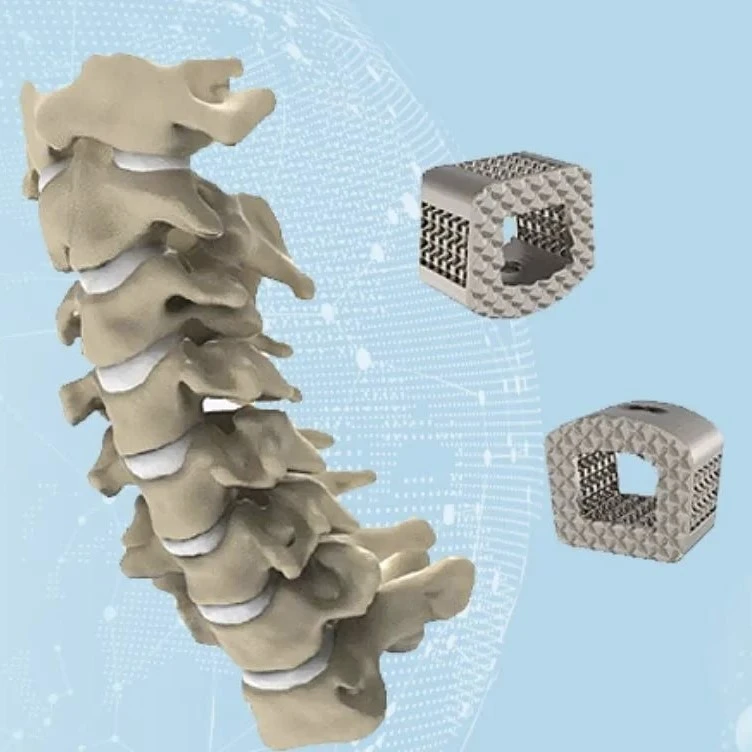
In the cardiovascular field, the surface of titanium alloy stents has a low adhesion to platelets, reducing the risk of thrombosis. The compressible and expandable characteristics of nickel-titanium alloys are suitable for minimally invasive interventional surgeries of blood vessels. Drug-coated stents can also effectively prevent vascular restenosis. At the same time, heart implant devices made of titanium alloy do not interfere with magnetic resonance imaging examinations, solving the diagnostic pain points of traditional devices. In the craniofacial repair field, 3D-printed customized titanium meshes and titanium implants can precisely match the shape of bone defects, repairing skull and facial injuries. Products such as artificial ossicles and cochlear electrodes also bring rehabilitation possibilities to patients with hearing impairments.

Precision processing empowerment: From industrial metals to lifelong companions of the human body
The raw material of aerospace-grade titanium alloy needs to undergo strict precision processing to become safe and compliant human implant devices. In traditional processes, casting technology is suitable for small precision parts, while forging technology densifies materials through high-pressure hammering, significantly increasing strength, and is mostly used for artificial joints and other load-bearing implant devices.
Nowadays, 3D printing technology has broken through the limitations of traditional processes. Laser selective melting technology can create bionic bone pore structures inside the implant, allowing bone tissue to grow deeply and achieving a more secure mechanical fit; electron beam melting technology is processed in a vacuum environment, eliminating impurity contamination, and is suitable for large load-bearing implant devices. Subsequent surface treatment processes such as sandblasting and acid etching, as well as anodizing, can build microscopic rough structures and generate nano-functional coatings, achieving antibacterial and bone regeneration-promoting biological activity effects, transforming titanium alloy from cold industrial metal into an intelligent medical partner that can coexist with the human body.
Over the past 80 years, titanium alloys have undergone a remarkable transformation from aerospace and military industries to civilian healthcare. With the deep integration of materials science, 3D printing technology and bone immunology, future titanium implants will continue to evolve towards intelligence, self-healing and precision. With their superior biological properties, they will continue to make significant contributions in regenerative medicine and precision healthcare, safeguarding the health of more patients.