


Hey there! As a titanium anode supplier, I've been getting a lot of questions about how pH affects titanium anodes. So, I thought I'd sit down and write this blog to share what I know.

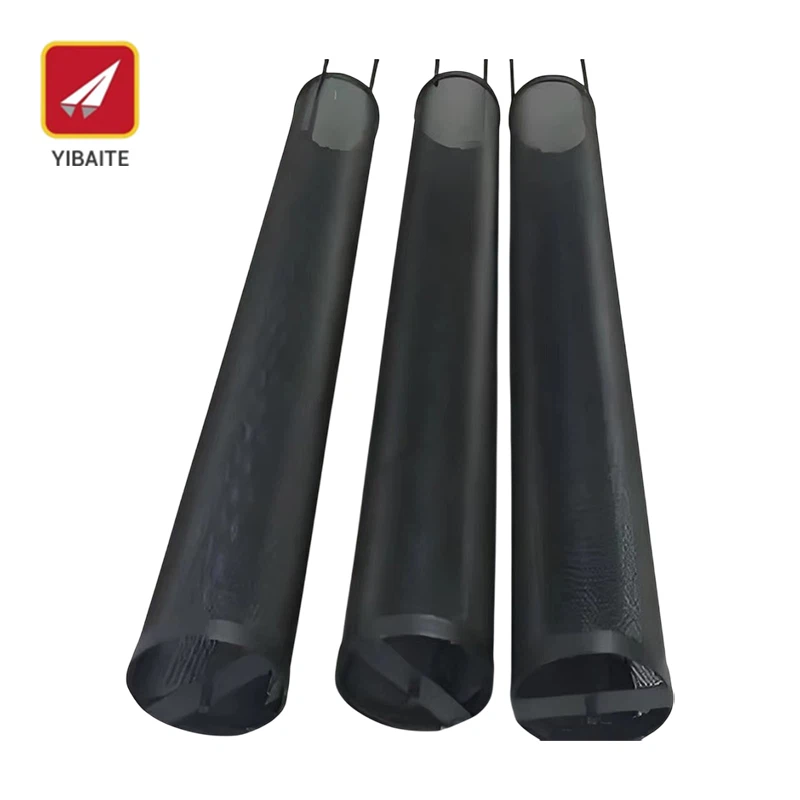
First off, let's talk a bit about what titanium anodes are. They're super important in a bunch of industries, like water treatment, electroplating, and even in some types of generators. They're made of titanium, which is a really strong and corrosion - resistant metal. And we use them because they can handle a lot of electrical current and last a long time.
Now, onto the main topic: the effect of pH on a titanium anode. The pH level of a solution is a measure of how acidic or basic it is. The scale goes from 0 to 14, where 0 is super acidic, 7 is neutral, and 14 is super basic.
When the pH is low (acidic conditions), things can get a bit tricky for titanium anodes. In highly acidic solutions, the anode might start to corrode. Acidic substances can react with the titanium surface, breaking down the protective oxide layer that forms on it. This oxide layer is crucial because it helps the anode resist corrosion under normal conditions. When it gets damaged, the anode becomes more vulnerable. For example, in some electroplating processes where acidic baths are used, if the pH isn't carefully controlled, the titanium anode can start to dissolve over time. This not only shortens the lifespan of the anode but can also contaminate the solution.
On the other hand, in basic (high - pH) solutions, titanium anodes generally perform better. Titanium has good resistance to alkaline environments. The hydroxide ions in basic solutions don't react as aggressively with the titanium as the hydrogen ions in acidic solutions do. However, extremely high - pH conditions can still cause problems. At very high pH values, some chemical reactions might occur that could affect the performance of the anode. For instance, certain compounds might form on the anode surface, which could increase the electrical resistance. This means that more energy is needed to drive the electrochemical reactions, making the process less efficient.
In neutral solutions (pH around 7), titanium anodes are in a sweet spot. The conditions are relatively stable, and the anode can function optimally. The protective oxide layer remains intact, and the electrochemical reactions can proceed smoothly. This is why in many water treatment applications, where the water is close to neutral pH, titanium anodes are a popular choice.
Let's take a look at some specific applications and how pH affects them.
Water Treatment
In water treatment, we often use titanium anodes in devices like Tubular Sodium Hypochlorite Generator Titanium Anode. These generators produce sodium hypochlorite, which is a powerful disinfectant. The pH of the water being treated can have a big impact on the anode's performance. If the water is too acidic, the anode might corrode, reducing its ability to generate sodium hypochlorite effectively. On the other hand, if the water is too basic, the formation of scale on the anode surface can be a problem. Scale can block the electrochemical reactions and reduce the efficiency of the generator. So, it's crucial to maintain the water at a proper pH level to ensure the anode works well and the generator produces the right amount of disinfectant.
Electroplating
Electroplating is another area where titanium anodes are widely used. In this process, we deposit a thin layer of metal onto a substrate. Different metals are electroplated using different solutions with specific pH requirements. For example, when electroplating copper, the solution is often slightly acidic. But as I mentioned earlier, if the pH is too low, the titanium anode can corrode. We need to carefully monitor and adjust the pH to keep the anode in good condition and ensure a high - quality plating. For those interested in a specific type of anode for electroplating, we offer Platinum Square Titanium Electrolytic Plate, which can be used in various electroplating processes.
Fruit and Vegetable Washing Machines
Titanium anodes are also used in Titanium Electrolytic Plate for Fruit and Vegetable Washing Machine. These machines use electrolysis to produce substances that can clean and disinfect fruits and vegetables. The pH of the water used in these machines is important. If the water is too acidic or basic, it can affect the anode's performance and the effectiveness of the cleaning process. A neutral or slightly basic pH is usually ideal as it allows the anode to generate the right amount of cleaning agents without getting damaged.
So, how can we manage the pH to get the best performance from titanium anodes? Well, first of all, we need to measure the pH of the solution regularly. There are many pH meters available on the market that are easy to use. Based on the readings, we can add chemicals to adjust the pH. For example, if the solution is too acidic, we can add a base like sodium hydroxide to raise the pH. If it's too basic, we can add an acid like hydrochloric acid to lower it.
It's also important to choose the right type of titanium anode for the specific application. Different anodes are designed to handle different pH ranges better. As a supplier, I can help you select the most suitable anode for your needs.
In conclusion, the pH of the solution has a significant impact on the performance and lifespan of titanium anodes. Whether it's in water treatment, electroplating, or fruit and vegetable washing machines, maintaining the right pH is crucial. If you're in the market for high - quality titanium anodes and need advice on how to manage the pH for your specific application, don't hesitate to reach out. We're here to help you make the most of your electrochemical processes.
If you're interested in purchasing our titanium anodes or have any questions about how pH might affect their use in your industry, feel free to start a conversation with us. We'd love to discuss your requirements and find the best solutions for you.
References
- Jones, D. A. (2002). Principles and Prevention of Corrosion. Prentice Hall.
- Revie, R. W. (Ed.). (2011). Uhlig's Corrosion Handbook. Wiley.
- Bard, A. J., & Faulkner, L. R. (2001). Electrochemical Methods: Fundamentals and Applications. Wiley.