


On October 16, 2003, China's first astronaut wore a titanium watch into space. Today, that same metal is on the wrists of millions. Here is how the journey happened.

The Moment It Went to Space
When Yang Liwei returned to Earth after 21 hours and 23 minutes aboard Shenzhou V, his Fiyta astronaut watch - with case, bezel, and caseback all made from titanium alloy - became China's first space-rated timepiece. Fiyta joined Omega and Fortis as one of only three watch brands ever to fly in space.
The material choice was not decorative. In space, every gram matters, every material must be reliable, and nothing can fail. Titanium was the only option that met all three demands simultaneously
The Path from Space to Luxury Watches
NASA began testing titanium alloys in the 1960s to reduce equipment weight. Watch designers took notice.
Over the following decades, the world's most prestigious brands adopted titanium:
| Brand | Application | Why Titanium |
|---|---|---|
| Rolex | Deep-sea dive watches | Corrosion resistance under extreme pressure |
| Richard Mille | Ultra-light sport watches | Maximum strength at minimum weight |
| Breitling | Aviation chronographs | Durability matching aerospace origins |
| Panerai | Diver cases | Reduced wrist fatigue during extended wear |
| Omega Seamaster (007 Edition) | Case + bracelet | Deep-sea corrosion resistance, lightweight comfort |

What Titanium Solves That Steel Cannot
Traditional steel watch cases have three problems that titanium eliminates:
| Problem with Steel | Titanium's Answer |
|---|---|
| Heavy - wrist fatigue over long wear | ~56% the density of steel - barely noticeable on the wrist |
| Corrosion - sweat, saltwater, humidity degrade steel over time | Self-passivating oxide film - immune to all common corrosive environments |
| Allergenic - nickel in steel causes skin reactions for many people | Nickel-free, biocompatible - safe for continuous skin contact |
These advantages matter most in the components that touch skin directly: cases, casebacks, buckles, and bracelets.

The Bigger Story: Space Technology Becomes Everyday Material
Titanium's journey from spacecraft to wristwatch illustrates a pattern that is repeating across industries:
| Era | Titanium's Role |
|---|---|
| 1960s | Classified aerospace material - rare, expensive, restricted |
| 1990s–2000s | Luxury watch differentiator - exclusive, aspirational |
| Today | Consumer product standard - watches, phones, cookware, eyeglasses, bicycles |
The properties that made titanium essential for space - lightness, strength, corrosion resistance, biocompatibility - turned out to be exactly what consumers wanted in everyday products. The difference is scale and cost: as manufacturing techniques improved and production volumes increased, titanium moved from a material reserved for astronauts to one available to anyone.

From Watch Cases to Raw Material: The Manufacturing Connection
Every titanium watch case, bracelet link, and caseback begins as carefully processed titanium raw material:
- A titanium plate or sheet is stamped and formed into a watch case
- Titanium bar or rod is CNC-machined into crowns, pushers, and buckles
- Titanium wire is formed into spring bars and bracelet pins
- Titanium strip is precision-rolled into bracelet links and decorative elements
The quality of the finished watch - its weight, surface finish, corrosion resistance, and comfort - all trace back to the quality of the starting material.

We Supply the Titanium Behind the Products
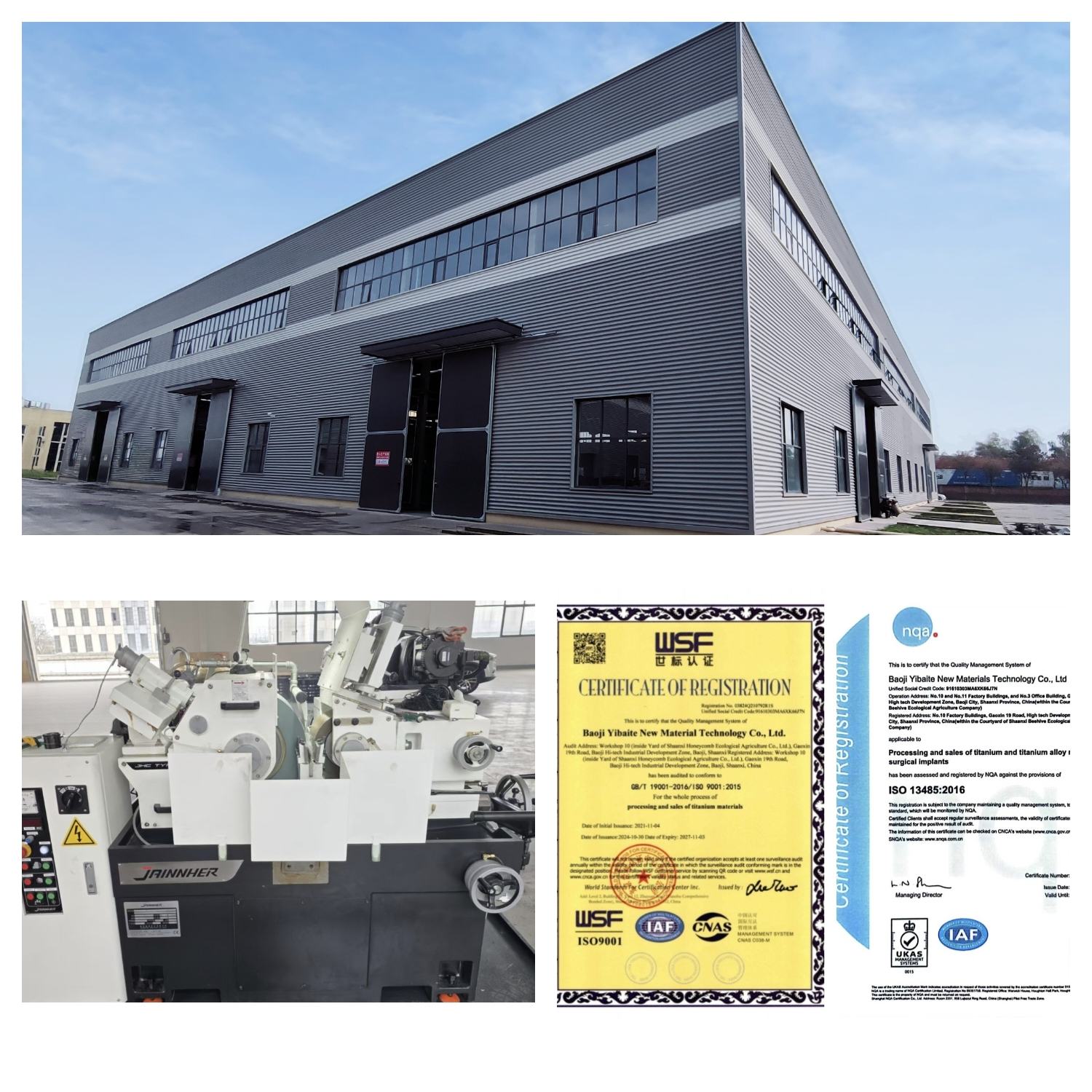
Baoji Yibaite New Materials Technology Co., Ltd. is a high-tech titanium processing company in Baoji, Shaanxi Province - China's Titanium Valley. We supply the titanium raw materials used in watches, consumer electronics, cookware, medical devices, aerospace, and industrial manufacturing.
What we supply:
- Titanium plates and sheets - for structural, industrial, and formed components
- Titanium bars and rods - for machining, forging, and precision parts
- Titanium wires - for welding, springs, and specialty applications
- Titanium tubes - for heat exchangers, piping, and marine systems
- Titanium strips - for precision-formed components
- Forgings and high-precision products - for aerospace, energy, and demanding industrial use
Grades:
Gr1, Gr2 (preferred for consumer and food-contact products - nickel-free, biocompatible), Gr5 (Ti-6Al-4V - for high-strength applications), and custom specifications.
All products ship with full mill test certificates - because the material behind a premium product must itself be premium.
The Takeaway
In 2003, titanium went to space on an astronaut's wrist. Today, it is in the watches, phones, cups, and kitchens of everyday life. The material did not change - the scale of production and the accessibility of the supply chain did.
From aerospace exclusivity to consumer ubiquity - titanium's journey is one of the great material science stories of our time. And it starts, as always, with quality raw material from a reliable source.
Baoji Yibaite New Materials Technology Co., Ltd. China's Titanium Valley - Your Trusted Titanium Partner.